

Thinking about getting that old oak taken down? You might be wondering if winter is the right time for it. Honestly, it’s a question a lot of people have. We often think of spring or fall as the prime times for yard work, but there’s actually a lot to be said for tackling winter tree removal. Let’s break down if it’s safe, if you really need to do it now, and if it makes sense for your wallet.
Is Winter Tree Removal Safe?
Winter tree removal isn’t something most folks plan for, but sometimes, harsh weather or tree problems just can’t wait for spring. So, is it actually safe to tackle tree removal when it’s freezing out? Let’s break it down.
Frozen Ground Reduces Lawn Damage
When the ground is frozen solid, heavy machinery and foot traffic are less likely to destroy your lawn. You don’t end up with those deep tire tracks or muddy mess that’s common in warmer, wetter seasons. A few benefits:
- Less lawn repair is needed after the job
- Roots aren’t torn out as easily, preventing large patches of bare soil
- Easier movement for equipment, so the process can move faster and safer
No Leaves = Better Visibility
One clear advantage of winter tree work is visibility. With leaves gone, arborists can see the shape of the branches and trunk problems much more clearly. That means safer cuts, since hazards—or obstacles like power lines and rooftops—are easier to spot. Why it matters:
- Crews can plan better by seeing structure, not foliage
- Hidden limbs and diseases become easy to find
- It reduces the number of surprises once the chainsaw starts
Especially if you notice a danger sign, like a newly leaning tree during cold months, you’ll want professional attention right away.
Reduced Risk of Property Damage
Winter means less chance of pests or sap causing headaches, and dormant trees are lighter since they’re not full of water. That makes branches less likely to cause damage if they fall, even in an emergency tree service winter situation. Key safety points:
- Less sap and debris mean a cleaner worksite
- Dormant trees are lighter, so falling branches do less harm
- Fewer pests are spreading from a removed tree to healthy ones nearby
Keep in mind, winter does introduce new risks: icy limbs, stiff equipment, and hidden hazards under the snow. However, with proper safety gear and skilled crews, winter tends to be safer than you might think for removing trees. Just don’t try it yourself, professional handling makes all the difference when conditions get tough.
When Is Winter Tree Removal Necessary?
There’s a common idea that winter is for relaxing, not yard work, but sometimes you can’t wait until spring. There are very real situations where winter tree removal just can’t be put off, and knowing when this matters can save you headaches, money, and maybe even keep your house safe. Here’s how to figure out if now is the right time to act:
Storm-Damaged or Split Trees
If a tree cracked apart during a recent windstorm or has large branches hanging loosely, it needs quick attention. Snow and ice add weight, often bringing down weak limbs or even whole trees. Leaving a split or storm-battered tree standing can lead to further property damage—or worse, injuries if it collapses later in the season.
Signs that prompt removal may be needed:
- Branches split or hanging after a heavy storm
- Suddenly, a visible lean after snow or wind
- Bark cracking or trunk visibly damaged
Winter’s slower pace means faster scheduling for emergency jobs, so you don’t have to worry about a long wait.
Dead, Diseased, or Hazardous Trees
Dead or dying trees aren’t just unsightly–they’re risky, especially in the cold months. Fungi and pests may be dormant now, but abandoning a dead tree increases the risk of trouble come spring. If you’re thinking about the best time for tree trimming or when to cut down dead trees, winter is often safest because:
- Disease and pests aren’t active, limiting spread to other trees
- Surrounding plants are dormant, so there’s less disruption to your landscaping
- Weak wood is easier to spot without leaves
A winter checkup may reveal problems you missed before, making it clear when to take action.
Trees Threatening Roofs, Driveways, or Power Lines
Sometimes it’s about where the tree is, not just the tree itself. If branches keep dropping onto your roof, or a trunk is tilting toward your driveway or power lines, don’t take the risk. Removing problematic trees during winter can prevent:
- Sudden limb breakage onto cars, utility lines, or your house
- Icy branches are interfering with overhead wires
- Heavy snow is causing further instability
Safety comes first here. That’s why so many professionals recommend evaluating tree health in winter, when visibility is clear and weak points are easy to spot without leaves blocking your view.
Emergency Tree Removal After Heavy Snowfall
Blizzards and ice storms can lead to sudden emergencies. When a tree collapses onto your property, emergency tree removal is necessary to quickly clear driveways, prevent power outages, and access blocked walkways..
Common problems after heavy snowfall:
- Major branches breaking under snow weight
- Entire trees uprooted or toppled by wind and ice
Blockquote time
Remember: winter is also a good time for proactive tree pruning in cold weather before problems begin. Watch for dead limbs, splits, or trees that have become hazardous, and don’t hesitate to schedule a mid-winter assessment if you’re unsure.
Is Winter Tree Removal More Cost-Effective?
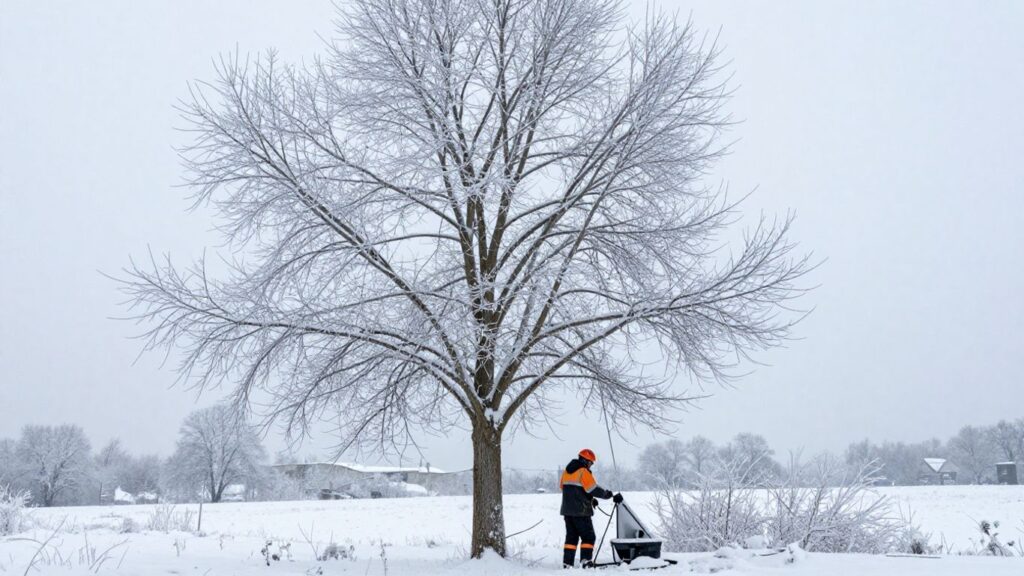
Winter might not be the first season you think of when it comes to tree removal, but it can actually be more affordable than you expect. The truth is, there are several reasons winter removal costs can be easier on your budget, especially compared to spring or summer.
- Companies often have more flexible scheduling in the winter, so you’re less likely to pay premium rates for immediate service.
- With trees dormant and the ground frozen, there’s less chance of your lawn getting torn up by equipment. That can mean lower repair or restoration costs after the tree is gone.
- Fewer leaves and less sap make for faster jobs, so crews spend less time onsite, which can translate to lower labor fees.
In summary: Winter tree removal often brings down both the upfront and hidden costs—so if you’re looking to save, winter’s worth considering.
Pros and Cons of Winter Tree Removal
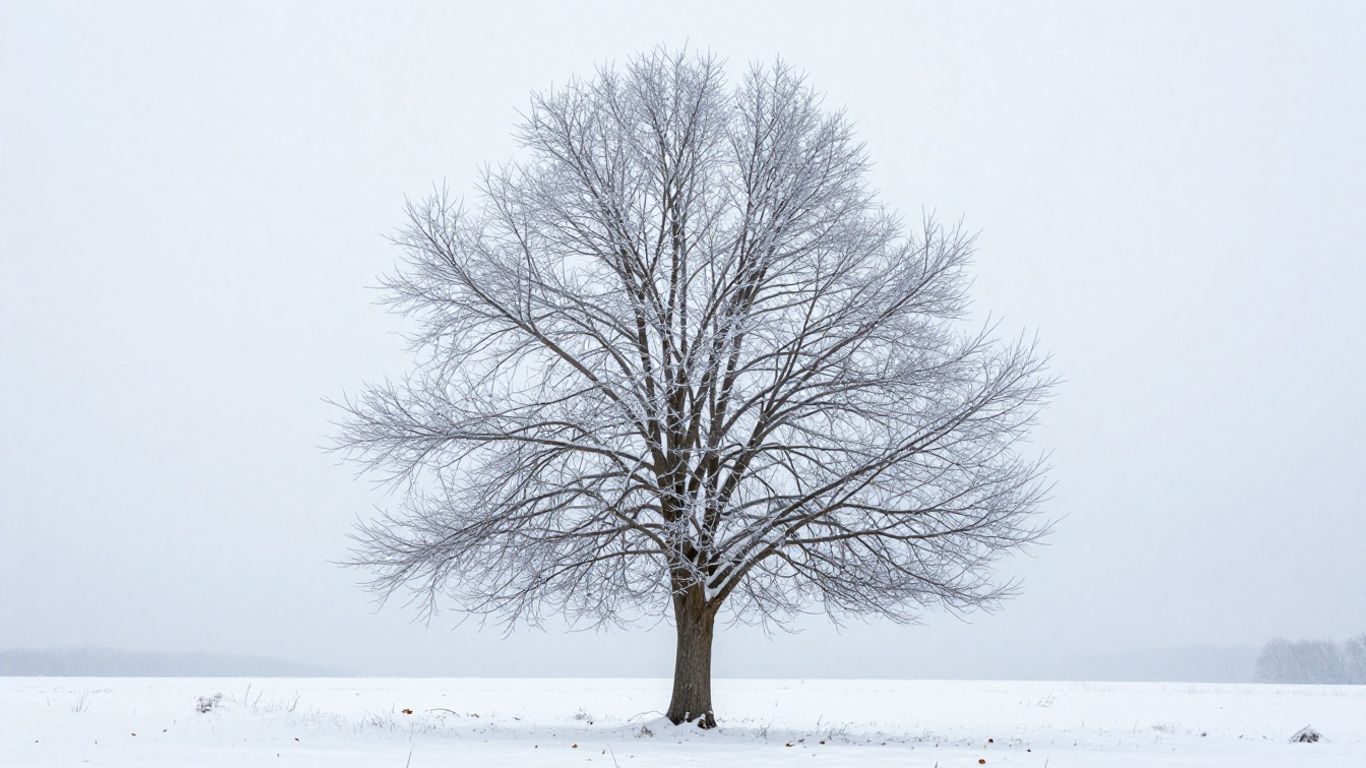
Just because winter feels quieter outdoors doesn’t mean your trees don’t need attention. Taking down trees in the chillier months comes with a unique set of upsides and drawbacks that you’ll want to weigh carefully.
Pros
- Less Damage to Your Lawn: Frozen soil holds up better under heavy machinery, greatly reducing the mess in your yard.
- Improved Visibility: With no leaves on the branches, professionals get a clear view of the tree’s structure, which helps them do a safer and cleaner job.
- Less Competition for Appointments: Fewer folks book tree work in winter, so you could get the schedule you want and maybe even a better price. In fact, it’s commonly considered that winter is an off-season for removals and companies may offer more attractive rates (better pricing).
- Lower Risk of Spreading Pests: Insects are less active in winter, so there’s less chance of accidentally moving them to healthy trees if you remove a diseased specimen.
Cons
- Ice and Snow Hazards: Slippery conditions can slow things down or make the work riskier for anyone on-site.
- Harder on Equipment: Cold weather can make starting and running chainsaws, chippers, and other tools more difficult, sometimes adding extra time (and cost).
- Not Every Tree Can Be Removed in Extreme Cold: Some removals just have to wait if the ground is simply frozen too hard or if heavy snowfall makes the worksite unsafe.
When you’re considering taking action, think about your priorities: protecting your yard, staying on budget, and keeping everyone safe. A good tree care company will help you figure out if waiting for a thaw or acting quickly will save you more headaches in the long run.
Winter Tree Removal vs Spring Removal
When it comes to cutting down trees, not all seasons treat your yard the same. Winter tree removal and spring removal each come with their own sets of perks and struggles. Choosing winter or spring for tree removal can have a real impact on your wallet and your landscape.
Here’s a quick look at the differences:
Here are a few points to think about when comparing winter tree removal with spring:
- Frozen ground in winter keeps heavy equipment from damaging your lawn, while in spring, wet ground can lead to deep tire ruts.
- Winter removal gets your yard ready for any spring landscaping plans, making it easier to tackle projects once the weather warms up.
- Insects and pests aren’t much of a problem in winter, but by spring, removing a tree can spread bugs to the rest of your yard (tree diseases like Black Knot).
It’s not just about timing it’s about the whole experience, from cleanup to how your yard bounces back. If winter tree removal fits your schedule and needs, it’s almost always less disruptive than waiting for the spring thaw.
How to Know If Your Tree Should Be Removed This Winter
Deciding whether to remove a tree in the winter isn’t always straightforward. You might look at a tree that’s seen better days and wonder if it’s worth waiting for warmer weather. But honestly, winter often presents the best opportunity to deal with trees that are causing concern. The key is to be proactive rather than reactive.
So, how do you tell if a tree on your property has reached the point where removal is the best option? Start by looking for some common warning signs. Are there large, dead branches that look like they could snap off easily, especially under the weight of snow or ice? Has the tree developed a significant lean, perhaps after a strong wind or storm? You might also notice cracking or splitting in the trunk or major limbs, which is a pretty clear indicator of structural weakness. Repeatedly finding fallen limbs around the base of the tree is another red flag.
Beyond the obvious physical damage, consider the tree’s overall health. Is there evidence of advanced pest infestation, like extensive bark damage or visible insects? Signs of disease, such as widespread wilting or unusual growths, also warrant attention. Sometimes, a tree might just look generally unhealthy, with a sparse canopy or yellowing leaves that don’t seem right, even for winter. If you’re unsure about the tree’s condition, it’s always a good idea to get a professional opinion. They can assess things like internal decay or root problems that aren’t visible from the outside. You can even do a simple check yourself by scratching a twig to see if there’s green underneath, which indicates it’s alive, or bending small branches to test their flexibility. This can help you assess tree health before making any decisions.
Here are some specific things to watch out for:
- Structural Weakness: Look for leaning, cracking, splitting, or significant decay.
- Dead or Dying Parts: Large dead branches, a dying canopy, or signs of advanced disease.
- Pest Infestations: Extensive damage from insects like borers or beetles.
- Root Problems: Visible root damage or instability, especially after storms.
- Proximity Hazards: Trees that are too close to your house, driveway, power lines, or other structures.
Don’t underestimate the value of a professional assessment. An arborist can provide a clear picture of the tree’s condition and whether removal is truly necessary, helping you make the best decision for your property’s safety and your peace of mind.
Why Hiring a Professional for Winter Tree Removal Matters
Taking down a tree looks simple enough until you add snow, ice, and freezing temps into the mix. That’s when the job quickly turns from backyard project to something you really don’t want to mess up. Tree removal in winter takes knowledge, experience, and the kind of equipment most folks don’t have tucked away in their garages. Let me tell you why leaving it to the pros makes all the difference:
- They understand winter hazards, like frozen ground and slick branches, that make a tree come down in unpredictable ways.
- Pros use the right techniques to keep your property and neighbors safe—especially when a tree is near power lines or a roof.
- Equipment acts differently in the cold—chainsaws, lifts, you name it. Licensed teams know how to handle machinery when it’s below freezing and how to keep it running (while you’re just trying to stay warm).
- They can spot problems early, like hidden cambium damage or disease that most homeowners wouldn’t even know to look for (how specialists protect this delicate layer).
- Cleanup is faster and neater, too. Less mess in your yard means your spring plans won’t get delayed by winter work.
At the end of the day, bringing in certified, insured tree pros gives you peace of mind—so you aren’t left with a new problem just because you didn’t want to wait for spring.
Wrapping Up Winter Tree Removal
So, is winter the right time to get that tree taken down? For the most part, yes. It’s often safer because the trees are dormant, making them easier to handle, and the ground is usually firmer, which means less mess and damage to your yard. Plus, getting it done now can prevent bigger problems and costs down the road, especially if the tree is already looking a bit rough. It also helps keep pests from spreading to your other plants. While it might seem like a good idea to wait, taking care of hazardous trees in the winter is usually the smarter, more cost-effective move for your property’s health and safety.
Frequently Asked Questions
Is it safe to remove trees in the winter?
Yes, winter is often the safest time to remove trees, especially when professionals do it. Without leaves, arborists can see the tree’s structure better. Also, the ground is usually frozen, which means heavy equipment won’t damage your lawn as much. It’s safer because there’s less risk of branches breaking unexpectedly under snow or ice.
When is tree removal absolutely necessary in winter?
You should remove a tree in winter if it’s damaged by storms, has split trunks, or is leaning dangerously towards your house or power lines. Also, if a tree is clearly dead, diseased, or has signs of serious pest problems, it’s best to take it down before it causes more damage or becomes a bigger hazard.
Does removing trees in winter cost less?
Often, yes. Tree removal companies might have more openings in their schedules during winter because it’s not their busiest season. This flexibility can sometimes lead to lower prices. Plus, removing a hazardous tree before it causes damage can save you money on repairs later.
Will removing a tree in winter hurt my other plants?
No, it usually causes less harm. Since most plants are dormant in winter, they are less likely to be damaged by equipment or foot traffic. The frozen ground also helps prevent soil compaction, which is good for the roots of nearby trees and plants.
Are there any special risks with winter tree removal?
Yes, there are a few. Ice can make surfaces slippery, increasing the risk of falls. Branches can be heavier and more unpredictable when covered in ice or snow. Also, very cold temperatures can make equipment harder to operate and increase worker fatigue. That’s why it’s important to hire experienced professionals.
Why is it better to remove a sick or damaged tree in winter rather than waiting?
Waiting can be risky. A damaged or sick tree might fall during a winter storm, causing more property damage or injury. Removing it in winter prevents this emergency situation. It also helps stop the spread of diseases or pests to other healthy trees before they become active in the spring.


