
Trees are pretty amazing, aren’t they? They stand tall, provide shade, and give us that fresh air. But there’s a hidden part of them, a layer under the bark, that’s super important for their survival. It’s called the cambium layer, and if it gets damaged, the whole tree can be in trouble. This article is all about that vital layer and how keeping it safe is key to a healthy tree.
The Hidden Layer That Keeps Trees Alive
You know, when we look at a tree, we usually see the big picture: the trunk, the branches, the leaves. It’s easy to forget that beneath that rough outer bark, there’s a whole world of activity happening. Think of it like the engine of a car – you don’t always see it, but it’s what keeps everything running. For trees, this vital, often unseen part is called the cambium layer. It’s a super thin strip of cells, and honestly, it’s one of the most important parts of the tree, even though it’s pretty delicate.
This layer is where all the magic of growth happens. It’s responsible for creating new wood and new bark, essentially allowing the tree to get bigger and repair itself. Without a healthy cambium, a tree just can’t do what it needs to survive, especially when it faces challenges like injuries or harsh weather. It’s the tree’s internal construction crew, constantly working.
This layer is a thin, active growth zone just inside the bark. It’s where new wood cells (xylem) and new bark cells (phloem) are produced, allowing the tree to increase in diameter and repair damage. Its health is directly tied to the tree’s overall vitality and ability to thrive.
Many things can mess with this critical layer, often without us even realizing it. Things like accidental bumps from lawnmowers, string trimmers, or even just digging too close to the roots can cause serious damage. When this happens, it’s not just a surface scratch; it can disrupt the tree’s ability to move water and nutrients, which is a big deal. We’ll get into the specifics of how this damage happens and why it’s so serious, but for now, just know that this hidden layer is the tree’s lifeline.
What Is the Cambium Layer in a Tree?
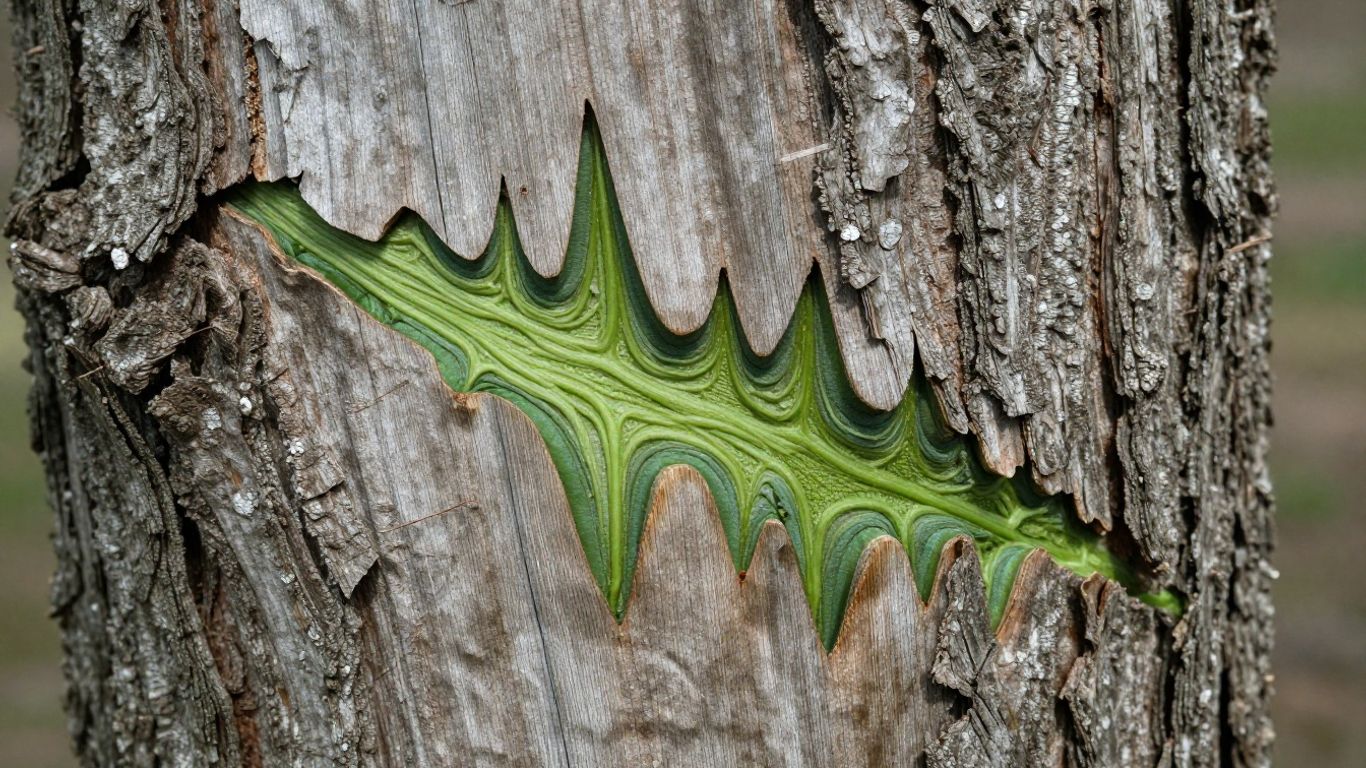
So, what exactly is this cambium layer we keep talking about? Think of it as the tree’s personal growth engine. It’s a super thin layer of cells, usually found right between the bark and the wood. This isn’t just some random bit of tissue; it’s where all the magic happens when it comes to the tree getting bigger. The cambium in tree structures is responsible for creating new cells, both for the wood (xylem) on the inside and the bark (phloem) on the outside. This means it’s directly involved in making the tree wider each year and also in producing the protective outer layers.
This layer is pretty special because it’s meristematic tissue, which basically means it’s always dividing and creating new cells. It’s a one-cell-thick layer, and it’s pretty delicate. When you look at a tree’s cross-section, you can often see it as a faint line. The tree cambium is vital for its survival and growth.
Here’s a quick breakdown of its role:
- Wood Production: It generates new xylem cells, which are the tubes that carry water and nutrients from the roots up to the leaves.
- Bark Production: It also creates new phloem cells, which transport sugars made during photosynthesis from the leaves down to the rest of the tree.
- Growth: This continuous cell division is what causes the tree trunk and branches to increase in diameter over time, adding growth rings each year.
The layer is the lifeblood of a tree’s expansion. Without its ability to constantly produce new wood and bark, a tree would be unable to grow taller or wider, and its ability to transport vital resources would be severely compromised.
Damage to the tree cambium can be a big problem because it disrupts these essential processes. If this layer gets damaged, the tree can’t make new wood or bark in that spot. This can lead to all sorts of issues, from reduced growth to increased vulnerability to diseases and pests. Protecting the cambium trees is key to keeping them healthy and strong for years to come.
Cambium of Tree vs. Other Tree Layers
So, we’ve talked about the cambium, but how does it stack up against the other layers of a tree? It’s easy to think of a tree as just bark and wood, but there’s more going on under the surface. Each layer has its own job, and they all work together.
Think of the tree’s layers like a well-organized factory. The outermost layer, the bark, is the protective outer wall. It shields the tree from all sorts of bad stuff – bugs, harsh weather, you name it. Inside the bark, you’ve got the phloem. This is like the delivery system, moving sugars made during photosynthesis from the leaves down to the rest of the tree. This layer is sometimes called the inner bark.
And then, right between the bark (specifically, the phloem) and the wood, is our star player: the cambium. This is the growth engine. It’s a super thin layer of actively dividing cells. On one side, it makes new phloem cells, and on the other, it makes new xylem (wood) cells. This is how the tree gets wider year after year. It’s a pretty amazing process, really.
Here’s a quick breakdown:
- Bark: The outer shield. Protects against damage and drying out.
- Phloem (Inner Bark): Transports food (sugars) from leaves to other parts of the tree.
- Cambium: The growth layer. Produces new bark and wood cells.
- Xylem (Wood): Transports water and minerals from roots to leaves, and provides structural support.
The cambium is a really delicate layer. Because it’s so active and responsible for growth, it’s also quite vulnerable. Damage here can really mess with the tree’s ability to transport nutrients and water, and to grow bigger.
Unlike the bark, which can be pretty tough, or the wood, which is solid, the cambium is soft and easily damaged. If you get a deep cut that goes through the bark and into the cambium, it’s a serious problem. The tree has ways to deal with wounds, like sealing them off, but if the cambium is too damaged, it can’t do its job properly. This is why understanding the different layers helps us appreciate why protecting that thin cambium layer is so important for overall tree health.
Why the Tree Cambium Is So Important
Okay, so we’ve talked about what it is, but why should you even care about this thin little strip inside your tree? Well, it’s kind of a big deal. Think of it as the tree’s personal growth factory. This is where all the new wood and bark cells are made. Without it, your tree just stops growing bigger and wider. It’s like a car without an engine – it might look okay for a bit, but it’s not going anywhere.
The cambium is responsible for producing new xylem (which becomes wood) on the inside and new phloem (which is part of the bark that moves sugars around) on the outside. This constant production is what allows trees to get taller, thicker, and develop those strong branches we rely on for shade and beauty. It’s also how trees heal themselves after getting nicked or scraped. When it gets damaged, it’s not just a cosmetic issue; it directly impacts the tree’s ability to function and survive.
Here’s a quick rundown of why it’s so vital:
- Growth Engine: It’s the sole source of new wood and bark. No cambium, no growth.
- Repair Crew: It’s what allows the tree to seal up wounds and recover from injuries.
- Transport Link: It helps create the tissues that move water up from the roots and sugars down from the leaves.
If you damage the cambium, you’re essentially cutting off the tree’s supply lines and its ability to repair itself. It’s a pretty serious situation for the tree’s overall health and longevity.
Common Causes of Cambium Layer Damage
The cambium layer, that thin, vital strip just under the bark, is super sensitive. When it gets hurt, the whole tree can suffer. A lot of the time, this damage isn’t intentional, but it still causes problems.
One of the biggest culprits is mechanical damage. Think about your lawnmower or string trimmer. Accidentally bumping the trunk with these tools can scrape away the bark and nick the cambium. It might not look like much at first, but it’s like a paper cut for the tree – it opens the door for diseases and pests. Even ropes tied around a tree for support or to hang a swing can cause issues. If they’re left on too long and the tree grows, they can constrict the trunk, cutting off the flow of water and nutrients. This is called girdling, and it’s really bad news.
Here are some common ways the cambium gets damaged:
- Lawn Equipment: Mowers and string trimmers hitting the trunk.
- Construction: Heavy equipment bumping into trees or digging too close to roots.
- Animal Activity: Chewing or rubbing by deer, rabbits, or even domestic pets.
- Improper Pruning: Using dull tools or making cuts that are too deep.
- Vandalism: Carving initials or other marks into the bark.
- Harsh Weather: Severe storms can cause branches to break, damaging the trunk.
Another thing to watch out for is damage from construction. Digging for foundations or sidewalks can sever important roots, and heavy machinery can easily bump and scrape tree trunks. Animals can also be a problem. Deer rubbing their antlers or rabbits gnawing at the base of young trees can strip away bark and expose the cambium. And sometimes, people just do it without thinking, like carving their names into the bark. It might seem harmless, but it’s a wound that the tree has to deal with. If you’re dealing with issues like black knot on your plum or cherry trees, it’s important to prune correctly to avoid further damage to the tree’s health.
It’s pretty clear that protecting this delicate layer is key to keeping our trees healthy and strong for years to come.
Signs Your Tree’s Cambium May Be Damaged
It can be tough to spot cambium damage right away because it’s hidden under the bark. But, there are definitely some clues your tree might give you if this vital layer is in trouble.
One of the first things to look for is changes in the bark itself. Is it peeling away more than usual, or are there sections that look scraped or gouged? Sometimes, you might see oozing sap from an area that shouldn’t be leaking. This often happens after something bumps into the tree, like a lawnmower or weed eater, which can strip away the bark and expose the delicate cambium underneath.
- Look for bark that is loose, missing, or shows signs of scraping, especially around the base of the trunk.
- Notice any unusual sap flow or discoloration on the bark’s surface.
- Check for cracks or deep wounds that go through the bark.
If you see these signs, it’s a good idea to investigate further. A tree that’s struggling might also show other symptoms like wilting leaves or branches that are dying back. This can happen because the damaged cambium layer can’t move nutrients and water properly.
Sometimes, the damage might be more widespread. If a significant portion of the bark, say more than 25% around the trunk, is damaged, the tree’s ability to survive is seriously impacted. This is where professional help becomes really important. Getting an assessment from a tree care specialist can help you understand the extent of the problem and what steps, if any, can be taken to help your tree recover. Checking for a dry, brown layer beneath the bark is a key indicator if you can get a peek under the bark.
How Professional Tree Care Prevents Cambium Damage
When it comes to keeping that vital cambium layer safe, professionals really know their stuff. They don’t just hack away at branches; they have a whole system for looking after trees.
One of the biggest things they do is smart pruning. This isn’t just cutting off dead bits. Arborists know exactly where to cut, making sure the tree can seal the wound properly without damaging the cambium underneath. They use the right tools and techniques, so you don’t end up with jagged edges that invite trouble.
Here’s a look at what they focus on:
- Proper Pruning Techniques: Cutting back to a branch collar or bud, avoiding stubs, and making clean cuts that the tree can easily close over. This prevents disease and insect entry points.
- Mechanical Damage Prevention: They’ll often advise on or install protective barriers, like mulch rings, around the base of trees. This keeps lawnmowers and weed eaters from bumping into the trunk and stripping away bark, which is a direct route to cambium injury.
- Pest and Disease Management: Regular checks mean they can spot problems early. If pests or diseases are attacking the bark or the layers beneath, professionals can treat it before it gets bad enough to reach the cambium.
- Structural Support: For trees with weak spots or damage that could lead to further issues, they might use cabling or bracing. This helps support the tree’s structure, reducing the risk of branches breaking and causing wounds.
Professionals understand that trees don’t ‘heal’ like we do. Instead, they wall off damage. Their goal is to help the tree do this effectively, not interfere with it. This means avoiding unnecessary drilling or applying sealants that can actually trap moisture and cause more harm.
They also look at the whole picture. Things like soil health, watering, and even the surrounding environment play a role in how strong and resilient a tree is. A healthy tree is better equipped to protect its layer. Getting a certified arborist involved means you’re getting someone who sees the tree as a living system, not just a plant that needs occasional trimming.
What to Do If Cambium Damage Has Already Occurred
Okay, so you’ve noticed some damage to your tree’s cambium. It’s not the end of the world, but it does mean you need to act. Trees don’t exactly ‘heal’ like we do; they sort of wall off the damage, a process called compartmentalization. The goal is to help them do this as effectively as possible.
First things first, clean up the wound. Gently remove any loose bark or debris. You don’t want dirt or bugs getting into the exposed area. And here’s something important: don’t go slathering on any kind of wound paint or sealant. Seriously, most of the time, it just traps moisture and can actually make things worse. Let the tree do its thing naturally.
If the damage is pretty bad, especially if it goes all the way around the trunk (that’s called girdling, and it’s serious business), you might need to call in the pros. They have ways to help, like grafting. This is where they take a healthy piece of wood (a scion) from the same tree or a similar one and attach it over the damaged spot. It’s a bit like a tree transplant for a small section.
Here’s a quick rundown of what might be involved:
- Assess the damage: How much bark is actually gone? Is the wood underneath exposed? Is it just a scrape, or a deep gouge?
- Clean the wound: Gently remove loose bits. No sealants!
- Consider grafting: If a significant portion of the cambium is gone, especially around the whole trunk, grafting might be an option. This is best left to experienced arborists.
- Protect the area: Sometimes, a temporary protective cover might be needed, but again, this is usually a job for a professional.
If you’re dealing with damage to a major limb or the main trunk, it’s really best to get a certified arborist to take a look. They can tell you if grafting is feasible or if there are other steps you can take to help the tree recover and prevent further issues. It’s better to be safe than sorry when it comes to the health of your trees.
Protecting Cambium Trees for Long-Term Health
So, you’ve taken steps to keep your tree’s cambium layer safe, which is great! But keeping it healthy long-term is an ongoing thing, not just a one-time fix. Think of it like maintaining a car – regular check-ups and preventative care stop big problems before they even start.
One of the simplest, yet most effective, things you can do is proper mulching. Applying a layer of organic mulch, about two to four inches deep, around the base of your tree is a game-changer. It helps keep the soil moist, which is super important, especially when things get dry. Plus, it stops lawnmowers and trimmers from bumping into the trunk and causing damage. Just make sure to keep the mulch a little away from the trunk itself; you don’t want it to trap moisture right against the bark.
Here are a few more things to keep in mind:
- Watering Wisely: Don’t just water when it looks dry. Understand your tree’s needs based on the weather and soil type. Too much or too little water can stress the tree, making it more vulnerable.
- Feeding Your Tree: A balanced fertilizer, applied at the right times (usually early spring and late fall), gives your tree the nutrients it needs to grow strong and recover from any minor stress.
- Watch for Pests and Diseases: Keep an eye out for any weird spots, discoloration, or unusual growths on the leaves or bark. Catching problems early means they’re usually easier to deal with.
- Pruning with Care: When you do need to prune, use clean, sharp tools. Make cuts properly so the tree can heal over the wound without leaving jagged edges that invite trouble.
Sometimes, even with the best care, a tree might get injured. If you notice significant bark loss, especially if it goes all the way around the trunk, it’s a serious situation. This is where professional help really shines. Arborists have techniques like grafting that can sometimes repair extensive damage, essentially bridging the gap to restore the flow of nutrients and water. It’s not a guarantee, but it’s often the best shot a severely damaged tree has.
Conclusion
So, we’ve talked about how trees can get hurt, especially that important cambium layer right under the bark. It’s easy to accidentally damage them with mowers or trimmers, and that can really mess with how the tree gets food and water. The good news is, a lot of this damage can be avoided in the first place. Simple things like being careful around the trunk, using mulch, or even just knowing when to call in the pros can make a huge difference. Taking care of our trees isn’t just about making them look nice; it’s about keeping them healthy and strong for years to come. And sometimes, that means getting a little help from someone who really knows their stuff.
Frequently Asked Questions
What exactly is the cambium layer, and why is it so important for trees?
Think of it as a super thin, vital growth engine for your tree. It’s located right under the bark and is responsible for creating new wood cells and bark cells. This means it’s crucial for the tree to grow taller and wider, and it also helps move water and nutrients around. If this layer gets damaged, the tree can’t grow properly and might not get the food and water it needs to survive.
What are the most common ways a tree’s cambium layer gets damaged?
The most frequent culprits are things we do, often by accident! Mowers and string trimmers that hit or scrape the trunk can easily damage this delicate layer. Other common causes include ropes tied too tightly around the trunk, construction work that injures the roots or trunk, or even animals gnawing on the bark.
How can I tell if my tree’s cambium layer has been harmed?
Look for signs on the bark. If you see scrapes, cuts, or areas where the bark is missing, especially around the base of the trunk, it’s a red flag. The bark might look discolored, feel soft, or be peeling away. If a lot of the bark is gone, especially all the way around, the cambium underneath is likely damaged, which can seriously affect the tree’s health.
Do trees heal wounds like humans do?
Not exactly. When humans get hurt, our bodies repair the damaged tissue. Trees, however, have a different approach. They can’t ‘heal’ the damaged spot itself. Instead, they ‘compartmentalize’ the wound. This means they build walls around the damaged area to seal it off, preventing decay from spreading and protecting the rest of the tree.
What can professional tree care services do to prevent cambium damage?
Professionals know exactly how to avoid harming trees. They use proper techniques when trimming branches, avoid damaging the trunk with equipment, and can advise on safe ways to plant or work around trees. They also offer services like installing protective barriers or suggesting mulch rings, which create a safe zone around the tree base, keeping mowers and trimmers away from the sensitive cambium layer.
If my tree’s cambium is already damaged, what should I do?
First, don’t panic, but act quickly. Gently clean the wound with water. For minor damage, the tree can often compartmentalize it on its own. However, if the damage is significant, especially if it goes all the way around the trunk, it’s best to call a certified arborist. They can assess the situation and recommend the best way to help the tree recover, which might involve techniques like bridge grafting for severe injuries.

