

When you look up at your trees, you want them to look good and be healthy, right? Sometimes they get a bit too big, or maybe some branches are just in the way. People often talk about ‘tree topping’ and ‘crown reduction’ as ways to handle this. But here’s the thing: they are not the same at all. One can really hurt your trees, while the other is a smart way to keep them looking great and growing strong. Let’s break down what these terms mean and why one is definitely the way to go.
What is Tree Topping?
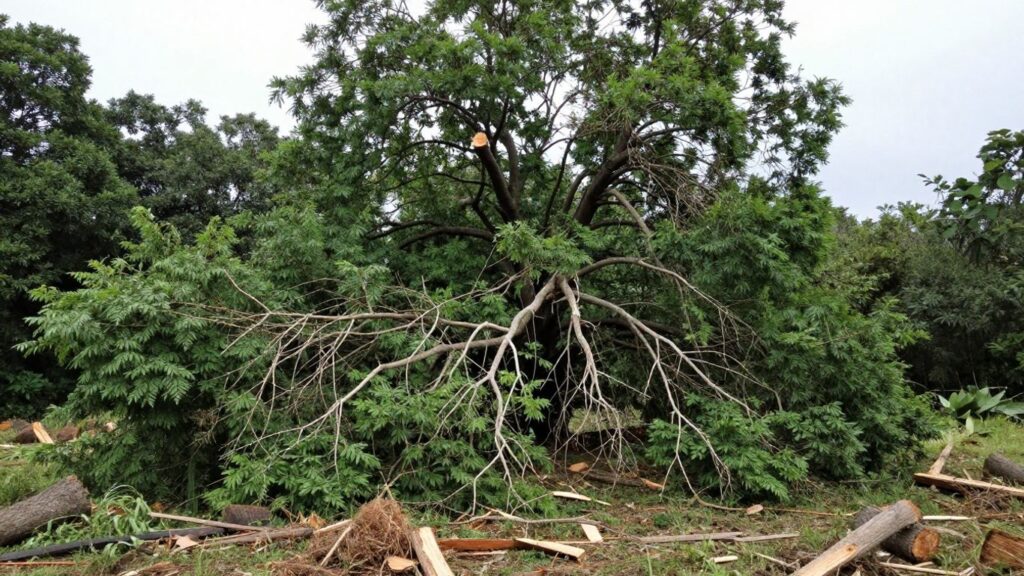
Tree topping is when someone cuts back the main branches of a tree, usually right across the top, leaving behind stubs or lateral branches that just aren’t up to the job.
The method really just chops off a big part of the tree’s crown, which may seem like a simple way to shrink a tree, but it leads to a wave of different issues. Homeowners sometimes resort to tree topping, especially after storm damage when a tree seems beyond saving. However, most professionals view it as a last resort. If your tree is badly damaged or a threat to your home, proper tree removal by experts might be considered instead, which, interestingly, can often be safer during certain seasons, as explained on this page about safe winter tree removal.
The Dangers and Drawbacks of Tree Topping
Here’s what you really risk when you top a tree:
- Unnatural appearance: Topped trees look odd, with stubby limbs and a loss of symmetry.
- Weak regrowth: The tree will sprout lots of thin, fast-growing shoots that break easily in bad weather.
- Higher susceptibility to disease: Big open wounds heal slowly, making trees easy targets for fungus, bacteria, and pests.
- Sunscald risk: With much of the natural canopy gone, the trunk can get damaged by sudden exposure to sun and cold.
- Property value drop: It doesn’t help curb appeal when a topped tree is sitting in your front yard.
- Early decline or death: Topping stresses trees so much that they often begin dying off years earlier than they otherwise would.
When you remove most of a tree’s leafy crown, you essentially strip away the parts it relies on to produce food and stay healthy—making the whole tree weaker and, ironically, more dangerous down the road.
Sometimes, people hope to save a tree or quickly trim it back, but topping almost always does more harm than good. If you’re dealing with a storm-damaged or overgrown tree, work with an arborist who can recommend the safest, most effective option for your situation.
What is Crown Reduction?
So, we’ve talked about tree topping and why it’s generally a bad idea. Now, let’s look at the better alternative: crown reduction. Think of it as a more thoughtful way to manage your tree’s size and shape.
Benefits of Crown Reduction for Tree Health
Crown reduction is all about making smart, selective cuts. Instead of just hacking off the top, an arborist will trim back branches to a smaller, side branch. This is a big deal because it means the tree doesn’t have to deal with massive, open wounds. These smaller cuts heal up much faster, which is way better for the tree’s overall health. It also helps keep the tree from getting too heavy, especially on older branches that might be struggling. This can prevent branches from snapping off in strong winds or heavy snow.
Here’s a quick rundown of why it’s good for your tree:
- Less Stress: Fewer, smaller cuts mean less shock to the tree.
- Faster Healing: Cuts made to side branches heal more quickly.
- Weight Reduction: Takes pressure off weaker or overloaded limbs.
- Disease Prevention: Improves air circulation and sunlight penetration into the canopy, which can help ward off fungal issues.
- Deadwood Removal: Arborists often remove dead or dying branches during this process, which can harbor pests and diseases.
How Crown Reduction Promotes Stronger Growth
When you reduce a tree’s crown, you’re not just making it smaller; you’re encouraging it to grow back in a healthier, more structured way. By cutting back to a lateral branch, you’re essentially guiding the tree’s energy. This helps the tree develop a more balanced canopy and can even lead to better fruit production on fruit trees. Instead of weak, spindly shoots that often come from topping, crown reduction encourages the tree to maintain its natural form and strength. It’s about working with the tree, not against it.
Crown reduction is a pruning method that trims the tree’s foliage back to a point where a smaller side branch can take over the main stem. This technique helps maintain the tree’s natural shape and structure while reducing its overall size. It’s a much gentler approach compared to topping, which involves cutting back to the main trunk or large branches, often leaving stubs that are prone to decay and disease.
When is Crown Reduction the Right Choice?
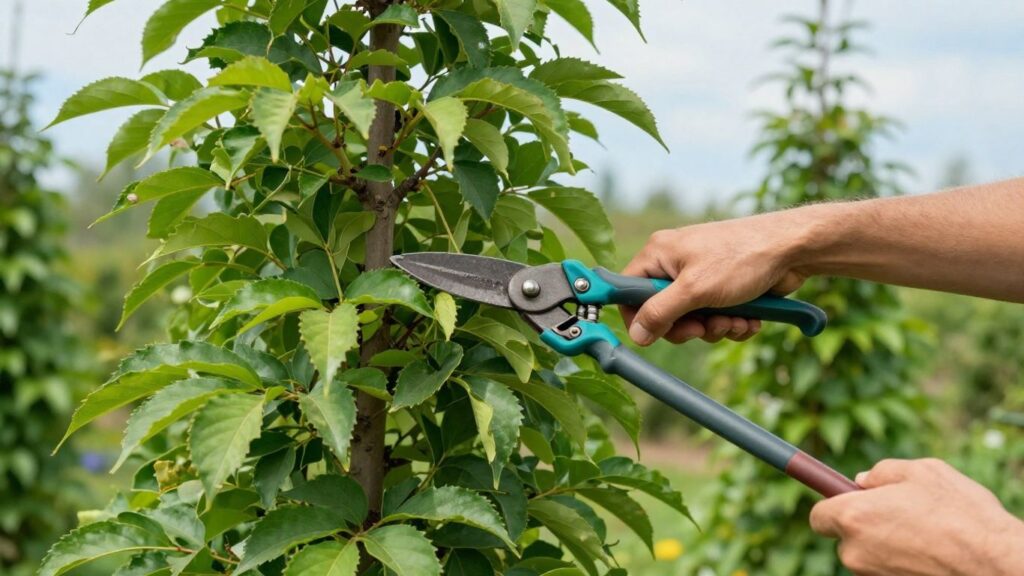
So, you’ve got a tree that’s gotten a bit out of hand, maybe it’s blocking a window or just looking a little too wild. When that happens, you might be wondering what the best way to trim it back is. Crown reduction is usually the way to go, especially when you want to keep your tree healthy and looking good.
This method is ideal for a few key situations. If your tree is simply overgrown and you need to reduce its overall size or weight, crown reduction is your best bet. It’s also a great choice if you’re looking to improve the structure of the tree, perhaps by removing branches that are rubbing against each other or growing in awkward directions. For fruit trees, this technique is particularly helpful. By thinning out the canopy, you allow more sunlight and air to get in, which can lead to better fruit production and quality. It helps prevent fruits from competing too much for resources, resulting in larger, tastier harvests.
Here’s a quick rundown of when crown reduction really shines:
- Overgrown Trees: When a tree has simply grown too large for its space or is becoming unmanageable.
- Weight Reduction: To lessen the load on branches that might be weak or at risk of breaking, especially before bad weather hits.
- Improving Tree Structure: Removing crossing branches, weak attachments, or branches growing inward towards the center of the tree.
- Enhancing Airflow and Light Penetration: This is important for overall tree health and can help prevent certain diseases.
- Fruit Tree Management: To encourage better fruit development and yield.
Crown reduction is the preferred method when you need to decrease the size of a tree’s canopy without resorting to drastic, damaging cuts. It’s about making smart, targeted trims to encourage healthy, natural regrowth. Think of it as giving the tree a haircut rather than a buzz cut. It’s a more careful approach that respects the tree’s natural form and growth habits. This technique is also beneficial for improving the tree’s overall health by allowing better air circulation and light penetration, which can help ward off pests and diseases. It’s a win-win for both the tree and your landscape. If you’re looking to manage your tree’s size while prioritizing its long-term well-being, crown reduction is definitely the way to go. It’s a responsible choice that helps prevent damage to the cambium layer and promotes a healthier, more resilient tree for years to come.
When Might Topping Seem Like an Option (and Why It’s Still Not Recommended)
Sometimes, people think tree topping is the only way to deal with a tree that’s gotten too big or has some damage. Maybe a storm took out a big chunk of the canopy, or perhaps the tree is just growing too close to a house or power lines. In these situations, topping might seem like a quick fix to reduce the size or remove the damaged parts. It’s often seen as a cheaper option upfront compared to more involved pruning.
However, this approach is really a short-sighted solution. When a tree is topped, large branches are cut back indiscriminately, often leaving just stubs. This practice removes most of the tree’s foliage, which is its food source. The tree is left shocked and vulnerable.
Here’s why it’s usually a bad idea, even when it seems convenient:
- Weak Regrowth: Topping forces the tree to sprout weak, fast-growing shoots from the stubs. These new branches are often poorly attached and prone to breaking later on, creating new hazards.
- Disease and Pests: The large, open wounds left by topping are prime entry points for fungi, bacteria, and insects. This can lead to decay and shorten the tree’s lifespan significantly. Think of it like leaving a big, gaping wound on yourself that doesn’t heal properly.
- Unnatural Appearance: Topped trees look pretty bad. They lose their natural shape and symmetry, often ending up with a blunt, flat top and a messy crown of weak sprouts.
- Long-Term Costs: While it might save money initially, topping often leads to more expensive problems down the line, like increased risk of branch failure, disease management, or even the eventual need for tree removal and replacement.
If you’re dealing with storm damage or a tree that’s outgrown its space, it’s always best to consult with a professional arborist. They can assess the situation and recommend the right approach, which is usually a form of pruning that respects the tree’s natural structure, like crown reduction for example.
Choosing a Professional Arborist for Tree Care
So, you’ve decided that crown reduction is the way to go for your trees, which is a smart move. But here’s the thing: doing it right takes some know-how. It’s not just about hacking off branches; it’s about understanding the tree’s structure, its health, and what it needs to keep growing strong. That’s where a professional arborist comes in.
Think of them as tree doctors. They’ve got the training and experience to look at your tree and figure out the best way to trim it. They know which branches to cut, how much to cut, and when to do it. Getting it wrong can actually hurt your tree more than help it, leading to weak new growth or even disease.
When you’re looking for someone to care for your trees, don’t just pick the first name you see. Ask around, check reviews, and see if they’re certified. A certified arborist has met certain standards for knowledge and skill. It’s a good sign they take their job seriously.
Here are a few things to look for:
- Certifications: Are they certified by a recognized organization? This shows they’ve passed tests and know their stuff.
- Insurance: Make sure they have liability insurance. Accidents can happen, and you don’t want to be on the hook if something goes wrong.
- Experience: How long have they been doing this? Have they worked with trees like yours before?
- References: Can they provide references from past clients? Talking to others can give you a good idea of their work quality.
Sometimes, you might get a quote that seems really low. While saving money is nice, it could also mean they’re cutting corners. A professional job might cost a bit more upfront, but it’s an investment in your tree’s long-term health and your property’s safety. They’ll also be able to explain exactly what they’re doing and why, which is always a good sign.
Don’t underestimate the difference a skilled hand can make. A good arborist isn’t just trimming branches; they’re managing the health and structure of a living organism that can live for decades, even centuries. It’s a responsibility that requires knowledge and care.
Conclusion: Prioritizing Tree Health with Crown Reduction
Wrapping things up, it’s clear that the long-term health of your trees is closely linked to the way you prune. Crown reduction stands out as the safest option that balances tree size without making harsh cuts or damaging the tree’s structure. Unlike topping, which cuts away large parts of the upper crown and can leave trees weakened, crown reduction only removes a careful portion of the canopy and targets select branches. You get a tree that keeps its natural look, stays healthier, and is less likely to break or suffer from pests and disease.
Here’s why crown reduction works better for tree health:
- Maintains the natural shape and looks of the tree.
- Reduces risk of breakages during storms by lessening branch weight.
- Encourages normal, healthy growth instead of unstable shoots.
- Helps fruit trees produce better, more consistent fruit.
- Supports airflow and sunlight reaching the inner canopy.
Yes, the process takes more time and skill than tree topping, but the pay-off is big. If your tree’s getting a bit too large, consider crown reduction, which gently cuts back growth and maintains structure, as described in this overview of reducing the overall size of the tree’s canopy. In the long run, the right pruning approach makes all the difference for your property and the wellbeing of your trees.
Taking care of your trees by reducing their crowns is a smart way to keep them healthy and strong. This process helps manage their size and shape, preventing problems before they start. Want to learn more about how we can help your trees thrive? Visit our website today to get a free quote!
Wrapping It Up
So, when it comes down to it, choosing between tree topping and crown reduction is a pretty clear decision. Topping might seem like a quick fix, but it really does more harm than good in the long run, leaving your trees looking rough and vulnerable. Crown reduction, on the other hand, is the way to go if you want to keep your trees healthy, looking good, and strong for years to come. It’s all about making smart, small cuts that help the tree recover and keep its natural shape. If you’re not sure what your trees need, it’s always best to call in a pro. They know their stuff and can make sure the job is done right, keeping your trees happy and your property looking its best.
Frequently Asked Questions
What’s the main difference between tree topping and crown reduction?
Tree topping is like giving a tree a really bad haircut, chopping off big branches way up high without much thought. It leaves ugly stumps and forces the tree to grow weird, weak new shoots. Crown reduction, on the other hand, is a smarter way to trim. It involves cutting branches back to smaller side branches, which helps the tree heal better and keeps its natural shape. Think of it as a careful trim versus a brutal chop.
Why is tree topping so bad for trees?
Tree topping is harmful because it creates huge wounds that are hard for the tree to heal. This makes it easy for bugs and diseases to get in. It also causes the tree to grow weak, spindly branches that can easily break later. It really stresses the tree out, can make it look terrible, and even shorten its life.
What are the benefits of crown reduction?
Crown reduction helps keep your trees healthy and looking good. It reduces the tree’s size without ruining its natural shape. This technique also helps the tree heal faster, encourages stronger growth, and can even make fruit trees produce better fruit. Plus, it makes the tree less likely to break in storms by removing weight and dead branches.
When should I consider crown reduction for my trees?
Crown reduction is a good idea when your trees are getting too big and might be getting close to your house or power lines. It’s also helpful if you want to let more sunlight into your yard or if a tree has been damaged by a storm. It’s a way to manage the tree’s size and shape while keeping it healthy.
How much of a tree’s crown can be reduced at once?
To keep the tree from getting too stressed, it’s usually recommended that arborists remove only about 20% to 25% of the tree’s total leafy part (canopy) in a single session. This might mean that crown reduction needs to be done more often to keep the tree in check, but it’s much better for the tree’s long-term health.
Why is it important to hire a professional arborist for tree work?
Trees are living things, and taking care of them properly requires knowledge. A professional arborist knows the best techniques, like crown reduction, to keep your trees healthy and safe. They can tell if a tree is sick, how much to trim, and how to do it without causing damage. Trying to do it yourself or hiring someone who doesn’t know what they’re doing can end up costing you more in the long run.


