

Cutting tree roots might seem like a simple fix for problems like cracked sidewalks or roots invading your garden beds, but it’s not something to take lightly. A tree root cut can seriously impact the health and stability of your tree. If you cut too much or cut the wrong roots, you could end up with a dangerous or even a dying tree. Before you pick up a saw or shovel, it’s important to know how to do it right and when it’s better to leave the roots alone.
Why a Tree Root Cut Can Be Risky
Look, cutting tree roots isn’t like trimming a fingernail. It’s a pretty big deal for the tree, and honestly, things can go south fast if you’re not careful. The biggest worry is destabilizing the tree. Think of roots like the foundation of a house; they hold everything up. If you mess with too many of the big ones, especially those close to the trunk, the whole thing can become wobbly. This is especially true for older, mature trees that just don’t bounce back as easily as younger ones.
Then there’s the health aspect. Roots are how trees drink and eat. When you cut them, you’re basically cutting off their supply lines. This can lead to a whole host of problems, from wilting leaves to a general decline in health. It can also make the tree more susceptible to diseases and pests that it might have otherwise shrugged off. It’s a real gamble, and sometimes the tree just can’t recover from the shock.
Here’s a quick rundown of what can go wrong:
- Instability: The tree could become unstable and eventually fall.
- Decline: The tree might start to look sickly, with yellowing leaves or less growth.
- Disease: Wounds from cuts can invite infections.
- Death: In severe cases, cutting too many roots can kill the tree.
It’s important to remember that a tree’s root system can extend much wider than its branches. So, even if you think you’re working far away from the trunk, you might still be cutting into vital roots. This is why careful planning and knowing what you’re doing is so important before you even pick up a tool. If you’re dealing with roots that are causing issues near a structure, it’s often best to look into alternatives before considering a cut, like adjusting the grade.
It’s not just about the number of roots you cut, but also their size and where they are located. Cutting a few small roots near the surface is one thing, but severing a large, structural root close to the trunk is a whole different ballgame. You might not even see the full impact for years.
What Happens When You Cut Tree Roots?
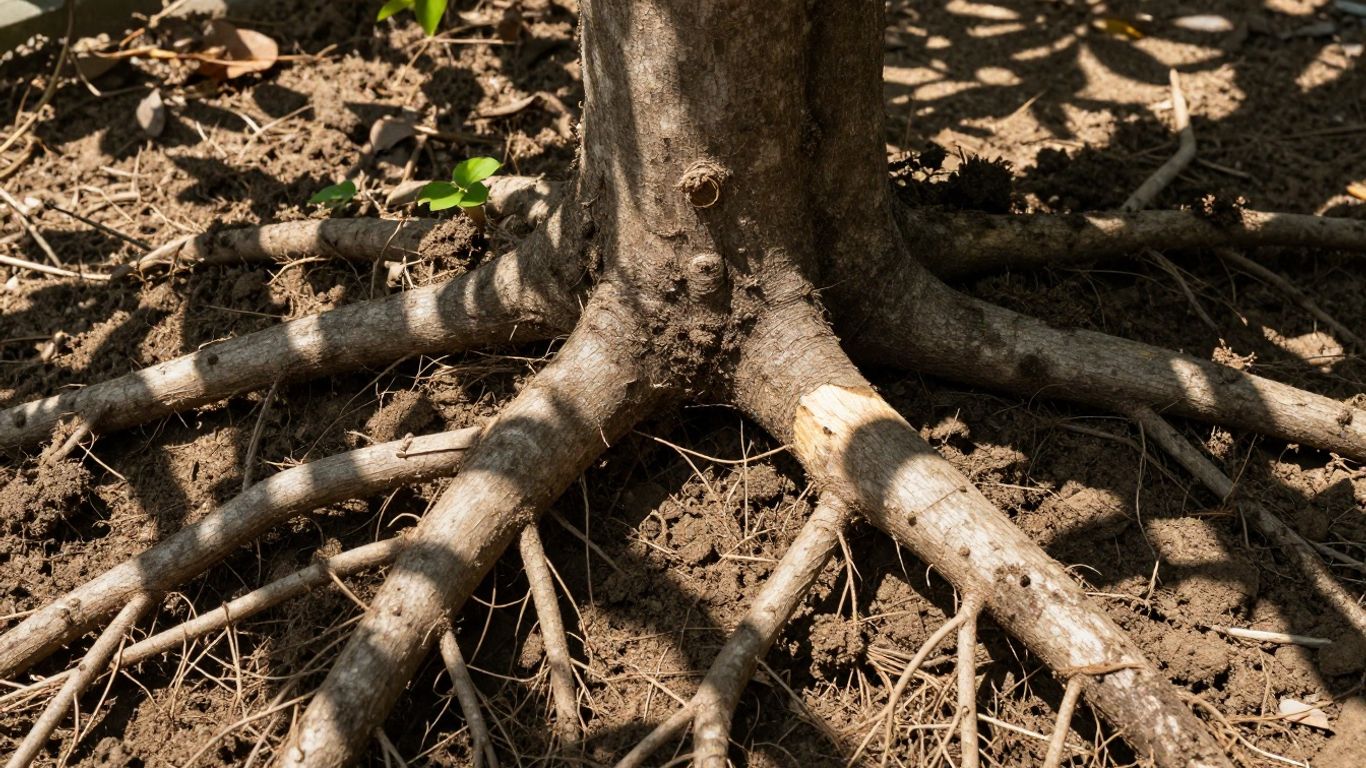
Cutting tree roots can have surprising and long-lasting effects on both the tree and your landscape. When you slice into a tree’s roots—no matter your reason—the tree instantly loses part of its lifeline. Roots move water and nutrients from the soil, and any cut interrupts this system. Trees may react in several, not-so-great ways after roots are cut, especially if a large root or many roots are affected.
Here’s what could go down:
- Water and nutrient uptake drops off, so you might see leaves wilt or turn yellow.
- Structural stability is reduced, making the tree more likely to fall in storms or high winds.
- The cut area is open to disease and insect pests, sometimes spreading to the rest of the tree.
- Regeneration depends on the tree’s species, age, and overall health—some recover, others don’t.
How much risk you’re taking with root cutting is linked to several factors:
| Factor | Higher Risk Impact |
|---|---|
| Size of Root Cut | Large/major roots |
| Number of Roots Cut | Multiple root cuts |
| Proximity to Trunk | Cuts near trunk |
| Tree Species | Sensitive or old trees |
| Tree Condition | Poor health increases stress |
If the root system’s been badly damaged, you might need severed tree roots treatment to support the tree’s recovery. In some cases, tree roots can persist for years even after a major cut or even tree removal—root resilience can be pretty impressive, as noted by recent studies on roots surviving post-removal.
Sometimes, you’ll hardly see any trouble for months or years after the cut—but the tree’s decline can quietly take hold beneath the surface, only showing up when it’s already too late to reverse.
Finally, figuring out how to stop tree roots from growing in unwanted spots often requires a smarter plan than just chopping them off. Sometimes, you’ll need alternatives like root barriers, mulch, or physical redirects. Cutting roots should never be your go-to solution without thinking long-term about the tree’s future.
When Is a Tree Root Cut Necessary?
Okay, so cutting tree roots isn’t something you just do because you feel like it. It’s usually a last resort, a necessary evil when those roots are causing real problems. Think about it: roots are the tree’s lifeline, anchoring it and feeding it. Messing with them is serious business.
So, when do you actually need to consider cutting roots? Mostly, it comes down to damage or safety. If roots are cracking foundations, busting up sidewalks, or getting into utility lines, you might have no choice. It’s about protecting property and preventing bigger, more expensive repairs down the line. Sometimes, construction projects get too close for comfort, and roots are in the way of new building or landscaping. In these situations, a carefully planned root cut might be the only way to save both the tree and the project.
It’s also worth mentioning that sometimes, trees outgrow their space, especially in places like golf courses where roots can interfere with play. If removing the tree isn’t an option, managing the roots becomes the next step. This is a tricky balance, though. You’re trying to solve one problem without creating a whole new one for the tree itself. It’s a tough call, and honestly, it’s usually best to talk to an arborist before you even think about grabbing a saw. They can help figure out if the cut is truly needed and how to do it with the least amount of harm. Remember, the goal is to fix a problem, not create a tree health crisis. If roots are causing issues, it’s often because the tree is trying to grow in a space that’s too confined, and that itself is a sign of stress. You can read more about managing tree roots near golf course turf if that’s a specific concern.
How Much Root Cutting Is Too Much?
Okay, so you’re thinking about trimming some tree roots. It’s a common situation, maybe they’re messing with your sidewalk or garden. But here’s the thing: you can seriously hurt or even kill your tree if you cut too much. It’s not like trimming a hedge; tree roots are the tree’s lifeline, anchoring it and bringing it water and nutrients.
So, what’s the limit? A good rule of thumb is to avoid cutting any root thicker than about 2 inches in diameter. If a root is bigger than that, it’s probably a major structural root, and messing with it is risky business. Also, steer clear of roots that are really close to the trunk, especially if they look fused or are part of the main support system.
Here’s a general guideline to keep in mind:
- Don’t cut more than 15% of the tree’s total root system at one time. This is a big one. Think of it like donating blood – you can only give so much before it affects your health.
- Give your tree time to recover. After a root cut, wait at least two to three years before even considering cutting more roots. This lets the tree adjust and grow new ones.
- Consider the distance from the trunk. A common recommendation is to not cut roots closer than a distance that’s 3 to 5 times the tree’s trunk diameter. So, for a tree with a 1-foot diameter trunk, you’d want to stay at least 3 to 5 feet away from the trunk when cutting.
Cutting roots is always a gamble. The bigger the root, the closer it is to the trunk, the more roots you cut, and the poorer the tree’s health or soil conditions, the higher the risk. It’s really best to only consider this when roots are causing a serious problem, not just for looks.
Remember, the cambium layer is super important for tree growth and repair, and it’s easily damaged. Proper tree care involves understanding these sensitive areas. If you’re unsure at all, it’s always better to err on the side of caution and consult a professional arborist. They can assess the situation and tell you what’s safe for your specific tree.
Proper Methods for Tree Root Cut (Step-by-Step)
So, you’ve got tree roots causing trouble, maybe near your foundation or a sidewalk. Cutting them back can be a tricky business, and doing it wrong can really hurt your tree. But if it’s absolutely necessary, here’s how to go about it with the least amount of damage.
Identify Critical Structural Roots
Before you even think about picking up a tool, you need to figure out which roots are truly the problem and which ones are vital for your tree’s survival. Don’t cut major structural roots; these are the ones that keep your tree upright and stable. Look for roots that are obviously interfering with structures or are growing in a way that’s causing damage. It’s often recommended to stay a good distance from the trunk. A common rule of thumb is to avoid cutting roots closer than 3 to 5 times the trunk’s diameter, measured from the trunk itself. For example, if your tree’s trunk is 1 foot across, you’d want to stay at least 3 to 5 feet away from the trunk when considering cuts.
Use the Right Tools
Once you’ve identified the roots to be cut, grab the right equipment. For smaller roots, sharp pruning shears or a root saw work well. If you’re dealing with thicker roots, you might need a pruning saw or even a reciprocating saw. The key here is to use tools that make clean cuts. Avoid anything that will tear or crush the root, as this opens the door for disease and makes healing much harder for the tree.
Make Clean Cuts
This is where technique really matters. When you cut a root, make sure the cut is smooth and straight. Think of it like making a clean cut on a plant stem; it helps the tree seal the wound faster and reduces stress. If you’re digging to expose the root, do so carefully to avoid damaging other nearby roots. After the cut, gently pull the severed root away from the tree.
Avoid Cutting During Stress Periods
Timing is everything. You don’t want to add more stress to a tree that’s already struggling. The best times to consider a tree root cut are typically during the dormant season, like late winter or early spring, before new growth begins. Avoid cutting roots when the weather is extremely hot and dry, or when the tree is showing signs of stress like wilting or leaf drop.
Backfill & Support
After you’ve made the necessary cuts, it’s important to properly backfill the hole. Use the soil you removed, and gently compact it around the remaining roots. This helps stabilize the area and supports the tree. If you’re managing tree roots near a foundation, consider options like tree root barrier installation after the cut to help guide future root growth away from sensitive areas. This isn’t a guaranteed fix, but it can help prevent future issues.
Remember, cutting tree roots is a serious intervention. It’s always best to consult with a professional arborist if you’re unsure about the health of your tree or the extent of the root system. They can assess the situation and advise on the safest course of action, which might even include alternatives to cutting.
Signs of Tree Decline After Root Cutting
After tree roots are cut, the first signs of trouble aren’t always dramatic. Sometimes, the symptoms build slowly and you might not connect them to the root cut right away. Knowing what to look for is key in catching decline early and giving your tree a shot at recovery.
Common signs your tree is struggling with root loss:
- Wilting leaves that don’t perk up, even after normal watering
- Early leaf drop or leaves turning yellow or brown much sooner than usual
- Thinning canopy; you look up and suddenly there’s more sky than shade
- Small, stunted leaves instead of the healthy size you expect
- Dead branches starting to appear, especially at the tips
- Sprouting of new shoots around the base of the trunk (a stress response)
Here’s a quick table to guide you:
| Symptom | What It Might Mean |
|---|---|
| Wilting Leaves | Root loss affecting water uptake |
| Early Leaf Drop | Stress, possibly from lack of nutrients |
| Dead Branches | Insufficient water/nutrients reaching canopy |
| Suckers at Base | Tree responding to serious root injury |
| Stunted New Growth | Root damage impacting overall energy levels |
If you spot several of these signs within months after cutting roots, your tree is likely under stress. Quick action—like tree root damage repair or extra watering—could make a big difference, but sometimes, decline is tough to reverse once it starts.
Alternatives to Tree Root Cut
Sometimes, cutting tree roots isn’t the only way to solve a problem. There are a bunch of other things you can try before you even think about getting out the saw. It really depends on what’s causing the issue in the first place.
For instance, if roots are pushing up a sidewalk or driveway, instead of cutting them, you could try building a bridge over them. This might mean raising the walkway a bit or creating a small tunnel underneath. Another idea is to simply reroute whatever is in the way. Maybe that path doesn’t have to go exactly there? Sometimes, you can even add a bit more soil over the roots, especially if they’re just near the surface, and then re-sod the area. It’s like giving them a little blanket.
Here are a few other options to consider:
- Adjusting construction plans: If you’re building something new, like a patio or a shed, and tree roots are in the way, see if you can move the structure slightly. Even a small shift can make a big difference.
- Using trenchless technology: For underground work like laying pipes, there are methods that tunnel under the roots instead of digging straight through them. It’s a bit more high-tech but way less damaging.
- Grinding down concrete: If roots are lifting concrete, sometimes just grinding down the raised sections can provide a temporary fix and make the area safer to walk on.
- Living with it: Honestly, sometimes the best solution is to just accept the roots are there and work around them. This might mean accepting a slightly uneven surface or choosing plants that can handle the conditions.
Before you decide to cut, really think about whether there’s a way to work with the tree and its roots. It often saves a lot of hassle and is better for the tree’s long-term health.
When to Call a Professional Arborist
Look, sometimes you just know when a job is bigger than you are. When it comes to tree roots, especially after some kind of construction project, it’s often best to just step away and let the pros handle it. If you’ve already done some cutting, or if you’re seeing signs that the tree isn’t happy – like leaves turning yellow way too early, or branches just looking dead – it’s time to call in someone who really knows trees. They can tell if the damage is fixable or if the tree is just too far gone.
Think about it: these folks spend their careers studying trees. They understand how much root loss a tree can actually handle before it starts to really suffer. They also know the best way to make cuts so the tree can heal properly, which is something you might not realize is even a thing. Plus, they have the right tools to get the job done without causing more harm.
Here are a few situations where picking up the phone is the smart move:
- Major Construction Nearby: If you’ve got a big project happening, like adding a new room or putting in a driveway, and you suspect the roots might have been disturbed or cut, an arborist can assess the damage. They can often spot problems before they become serious construction impacts.
- Significant Root Damage: If you find large roots that have been cut, or if you’ve had to cut a substantial amount yourself, it’s a red flag. An arborist can estimate how much of the root system is compromised and what that means for the tree’s future.
- Visible Signs of Stress: Yellowing leaves, wilting, dieback on branches, or even the tree leaning more than usual are all signs that the tree is struggling. Don’t wait for it to get worse.
- Uncertainty About the Tree’s Health: If you’re just not sure how bad the situation is, or what the best course of action is, an arborist can provide a professional opinion. They can help you understand the long-term health of your tree.
Trying to fix a serious root problem yourself can sometimes make things worse, leading to more damage or even the eventual loss of the tree. It’s better to be safe than sorry, especially when you’re dealing with something as vital as a tree’s root system.
Cost of Tree Root Cutting vs. Tree Removal
So, you’re wondering about the price tag for dealing with those wayward tree roots, right? It’s a fair question, and honestly, it’s not a simple “this much” answer. Cutting roots can seem like the cheaper option upfront, especially if you’re just dealing with a small section that’s messing up your sidewalk. But here’s the thing: if the problem is significant, or if the tree is large, you might be looking at costs that start to add up, especially if you need to bring in professionals.
Think about it this way:
- Minor root trimming: If it’s just a few small roots, a DIY job might cost you next to nothing, maybe just the price of a good pruning saw. But if you mess it up, the tree could decline, leading to removal costs later.
- Professional root pruning: Hiring an arborist to carefully cut roots, especially if it involves trenching around the tree, can run from a few hundred to over a thousand dollars, depending on the size of the tree and how much work is involved. They’ll assess the tree’s health and make sure they aren’t cutting too much.
- Tree removal: This is usually the pricier option, especially for large, mature trees. Costs can range from $500 to $2,000 or even more, depending on the tree’s size, location, and any special equipment needed. This often includes stump grinding, too.
The real cost isn’t just the immediate bill; it’s about the long-term health of your tree and your property. Sometimes, a root cut might save a tree that would otherwise need removal, making it a more economical choice in the long run. However, if the cutting is extensive or done improperly, you could end up paying for both the root work and eventual tree removal, not to mention potential damage from a falling tree.
It’s always a good idea to get a few quotes from qualified arborists. They can give you a clear picture of what’s involved, the risks, and the associated costs for both root management and potential removal. Sometimes, winter is a better time for tree removal if that’s the direction you end up going, as it can be less disruptive to your yard.
Conclusion
So, cutting tree roots isn’t something to take lightly. It’s easy to mess up and end up doing more harm than good. Remember, trees are pretty tough, but they have their limits. If you absolutely have to cut roots, be smart about it. Use sharp tools, make clean cuts, and don’t go overboard. And seriously, if you’re unsure, or if the tree looks like it’s already struggling, just call a professional. It’s way better to pay an arborist than to lose a tree you’ve had for years. Keep an eye on your trees after any work, and hopefully, they’ll bounce back just fine.
Frequently Asked Questions
Why is cutting tree roots so risky?
Cutting tree roots is risky because roots are like a tree’s lifeline. They anchor the tree, absorb water, and get nutrients. Cutting too many or too big of roots can make the tree unstable, weak, and even cause it to die. It’s like pulling out too many of your own body’s essential parts – the whole system suffers.
What happens to a tree when its roots are cut?
When roots are cut, the tree loses its ability to take in water and food. This can lead to stress, shown by wilting leaves, slower growth, or branches dying off. In severe cases, the tree can become unstable and fall over, or it might just give up and die because it can’t support itself or get what it needs to live.
When is it absolutely necessary to cut tree roots?
Cutting roots is usually a last resort. It might be needed if roots are causing serious damage to buildings, sidewalks, or underground pipes, and there’s no other way to fix the problem. However, it’s always best to explore other options first because it is very hard on the tree.
How much root cutting is too much for a tree?
It’s hard to say exactly, but generally, cutting more than 20-40% of a tree’s total root system can be fatal. Cutting large roots, especially those close to the trunk, is much more damaging. It’s safest to avoid cutting roots that are thicker than an inch or two, and to stay as far away from the trunk as possible.
What are the best ways to cut tree roots if I have to?
If you must cut roots, use sharp tools like a root saw to make clean cuts, which helps the root heal faster. Dig carefully to expose only the roots you need to cut. Avoid tearing or crushing them, as this can invite disease. Also, make sure to fill the hole back in properly to support the remaining roots and help the tree recover.
What signs should I look for that show my tree is suffering after its roots were cut?
Keep a close eye on the tree. Signs of trouble include leaves turning yellow or dropping too early, branches starting to die back, or the tree leaning more than usual. If you notice any of these, it’s a sign the tree is stressed and might need professional help.

