
Spring is here, and that means it’s time to think about your lawn. A healthy green lawn doesn’t just happen; it needs some attention. But when it comes to giving your lawn that spring treatment, you’ve got a choice: do it yourself or call in the pros. Both have their good points and their downsides. We’ll break down what goes into spring lawn treatment and help you figure out which path is best for your yard and your wallet.
Key Takeaways
- Lawn treatment is important for a healthy yard, dealing with weeds, pests, and feeding the grass.
- Doing it yourself can save money and gives you control, but it takes time, effort, and you need to learn about lawn care.
- Hiring professionals costs more but saves you time and hassle, and they often have better tools and knowledge for great results.
- Professionals use commercial-grade equipment and products that might be more effective and safer to handle.
- The best choice depends on how much time you have, your budget, and how much you care about having a perfect lawn versus the satisfaction of doing it yourself.
Why Spring Lawn Treatment is Crucial
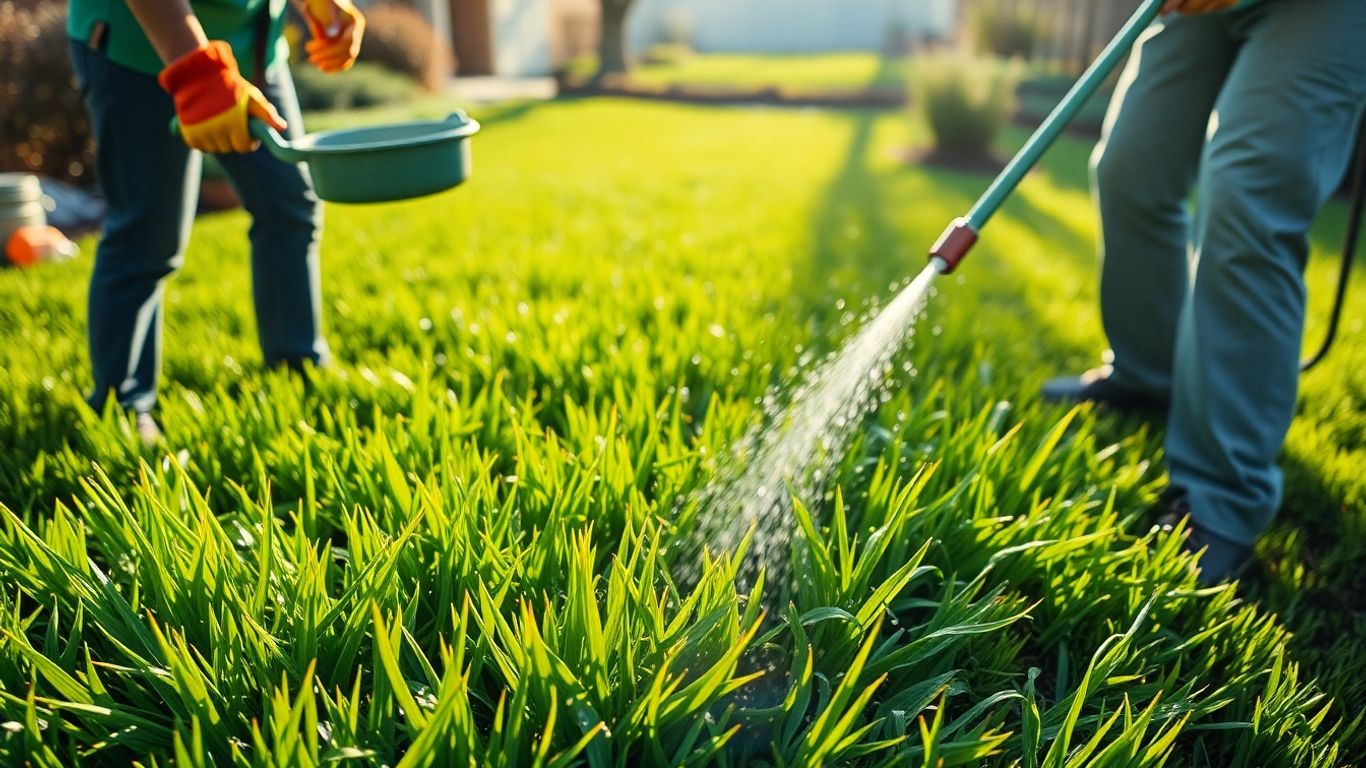
Spring is a really important time for your lawn. After a long, cold winter, your grass is probably looking a bit tired and ready for a pick-me-up. Getting your lawn treatment done at the right time can make a huge difference in how healthy and green your yard looks all season long. It’s not just about making it look pretty, though. Proper spring care helps your lawn grow strong roots, fight off weeds, and stay resilient against pests and diseases that love to pop up when the weather warms up.
Think of it like this: your lawn has been through a lot. It needs a good start to the growing season. This means giving it the right nutrients and taking care of any problems that might have cropped up over the winter. Knowing when to fertilize lawn in spring is key, as is understanding the best time for lawn treatment overall. Doing it right now sets the stage for a lush, vibrant lawn that you can actually enjoy.
Here’s a quick look at what spring treatment helps with:
- Root Development: Strong roots are the foundation of a healthy lawn. Spring treatments encourage deeper root growth, making your grass more drought-tolerant.
- Weed Prevention: Many common weeds start their life cycle in the spring. Early treatment can stop them before they even get a chance to sprout and spread.
- Disease and Pest Resistance: A well-fed and healthy lawn is better equipped to fend off common lawn diseases and pesky insects.
- Overall Vigor: Giving your lawn the nutrients it needs in spring helps it recover from winter and grow thick and green.
Getting your lawn care routine started in the spring is like giving your yard a healthy breakfast after a long night’s sleep. It wakes everything up and gets it ready to face the day – or in this case, the whole growing season.
DIY Spring Lawn Treatment: The Pros and Cons
So, you’re thinking about doing DIY spring lawn treatment yourself? It’s definitely an option, and for some folks, it’s the way to go. Let’s break down what you’re getting into with the DIY approach.
Pros of DIY Treatment
- Cost Savings: This is usually the big one. Buying the products yourself and doing the work can often be cheaper than hiring a company, especially if you have a smaller lawn. You’re not paying for someone else’s labor or their overhead.
- Flexibility: You get to decide exactly when you apply treatments. If you see a specific weed popping up or notice your lawn needs a boost, you can act on it immediately. You’re not waiting for a company’s schedule.
- Satisfaction: There’s a certain pride that comes with a job well done, especially when it’s your own yard. Seeing your lawn transform because of your own effort can be really rewarding.
- Learning Experience: You’ll learn a lot about your lawn’s needs, what different products do, and how to apply them correctly. It’s a hands-on way to become more knowledgeable about lawn care.
Cons of DIY Treatment
- Time Commitment: Let’s be honest, this takes time. You have to research products, buy them, load them up, apply them, and then clean everything afterward. On a nice spring weekend, you might rather be doing something else.
- Product Knowledge Needed: The sheer number of products out there can be overwhelming. Knowing which fertilizer to use, what kind of weed killer is best for your specific weeds, and when to apply them can be tricky. Getting the timing and application wrong can actually harm your lawn or just be a waste of money.
- Equipment Costs: You’ll need tools like spreaders and sprayers. While not a huge expense initially, it adds up, and you need to maintain them.
- Potential for Mistakes: It’s easy to over-apply or under-apply products, or use the wrong ones. This can lead to burned grass, ineffective weed control, or even environmental runoff if not handled carefully. You might end up needing professional lawn care down the line to fix any issues.
When you’re doing it yourself, you’re the one responsible for every step. That means reading labels carefully, understanding soil temperatures, and knowing the difference between pre-emergent and post-emergent weed control. It’s a learning curve, for sure, and sometimes mistakes happen.
Here’s a quick look at some common DIY tasks and what they involve:
- Fertilizing: Choosing the right N-P-K ratio for spring and applying it evenly is key. Too much nitrogen can burn the grass, while too little won’t give it the boost it needs.
- Weed Control: Identifying broadleaf weeds versus grassy weeds is step one. Then, selecting the appropriate herbicide and applying it when conditions are right (e.g., not too windy, not about to rain).
- Pest Management: Spotting early signs of insect damage and knowing whether it’s a surface or subsurface pest that needs treatment can be challenging without experience.
Professional Spring Lawn Treatment: The Pros and Cons
Hiring a professional service provider for your spring lawn treatment can take a lot of the guesswork out of keeping your yard looking its best. These companies have teams of people who do this for a living, so they generally know what they’re doing. It’s a pretty straightforward way to get your lawn the attention it needs without you having to spend your weekends wrestling with bags of fertilizer or trying to figure out what that weird brown patch is.
Pros of Professional Treatment
- Time Savings: Let’s be honest, most of us have busy lives. A professional service handles the labor and the planning, freeing up your valuable time. You don’t have to spend your Saturday mornings reading product labels or hauling equipment.
- Expertise and Knowledge: These folks are trained in lawn care. They understand soil types, grass varieties, and common lawn problems like grubs or specific weed types. They know the right products to use and, just as importantly, the right time to apply them. This can prevent costly mistakes that might harm your lawn or even the environment.
- Access to Better Products: Professional companies often have access to commercial-grade products that aren’t available to the general public. These can be more effective and sometimes more targeted for specific issues. They also know how to use them safely and efficiently.
- Convenience: Scheduling is handled for you, and many services offer follow-up visits or touch-ups if problems arise. It’s a set-it-and-forget-it kind of deal for the homeowner.
- Environmental Considerations: When applied incorrectly, lawn treatments can run off into waterways. Professionals are trained to apply products responsibly, minimizing environmental impact. They also know the precise amounts needed, so you’re not over-applying.
Cons of Professional Treatment
- Cost: This is usually the biggest factor. Professional services cost more upfront than buying DIY products. You’re paying for the labor, the expertise, and the specialized products.
- Scheduling Limitations: You typically can’t pick the exact day or time for service. Companies schedule routes for efficiency, so you’ll have to work around their calendar. This might mean treatments happen when you’re not home.
- Less Control: You’re trusting the company to make the best decisions for your lawn. While they are experts, you might have specific preferences or concerns that aren’t always addressed if you’re not actively communicating them.
When you hire a professional, you’re essentially paying for peace of mind and a guaranteed level of service. They handle the complexities, from identifying potential issues like oak wilt disease in nearby trees to applying the correct treatments, so you don’t have to. It’s a trade-off between your time and money versus the convenience and expertise provided.
For instance, a professional service might include grub control as part of their standard spring treatment. These little pests can do a lot of damage by eating grass roots, and catching them early is key. Professionals know the signs and the best pre-emergent treatments to stop them before they become a big problem.
Key Lawn Treatment Tasks to Consider for Spring
Spring is the time to get your lawn back in shape after a long winter. There are a few main things you’ll want to focus on to get your grass looking its best. These tasks are pretty standard, whether you’re doing it yourself or hiring someone.
Fertilizing Your Lawn
Think of fertilizer as food for your grass. It gives it the nutrients it needs to grow strong and green. Getting the timing and amount right is important. Too much can actually hurt your lawn, and applying it at the wrong time means it won’t do much good. Most experts suggest a spring feeding once the soil warms up a bit, usually in mid to late April. This helps the grass recover from winter and get ready for the growing season. Some programs include multiple feedings throughout the spring and summer.
Weed Control
Weeds are a common problem, and spring is a good time to tackle them. There are two main types of weed control to think about: pre-emergent and post-emergent.
- Pre-emergent herbicides are applied before weeds even sprout. They create a barrier in the soil that stops weed seeds from germinating. Crabgrass is a big target for this type of treatment, and it needs to be applied when the ground temperature consistently hits around 60 degrees Fahrenheit.
- Post-emergent herbicides are for weeds that have already popped up. These products work by targeting the weeds that are currently growing. They come in different forms, some killing on contact and others working more slowly.
Pest Management
While you might not think about bugs in the spring, some can cause serious damage to your lawn. Grubs are a prime example. These little guys live underground and eat grass roots, which can lead to brown, dead patches. Applying grub control in the spring can prevent them from causing major damage later in the season. Some lawn care services include pest control as part of their spring lawn care services, often as a preventative measure.
Getting these tasks done right in the spring sets the stage for a healthy lawn all year. It’s about giving your grass the best possible start after winter dormancy. Missing a step or using the wrong product can lead to problems down the road, like stubborn weeds or insect infestations that are harder to fix later on.
Making the Right Choice for Your Lawn
So, you’ve weighed the options, looked at what your lawn needs, and now it’s time to decide: DIY or call in the pros? It really boils down to what matters most to you and what you can realistically manage. If you’ve got the time, enjoy getting your hands dirty, and are on a tighter budget, tackling spring treatments yourself might be the way to go. You get to pick the products, control the schedule, and there’s a certain satisfaction in seeing your own hard work pay off.
However, let’s be real. Sometimes, life gets busy, or maybe you just don’t have the knack for lawn care. That’s where professionals shine. They bring the right tools, the know-how, and they can get the job done efficiently, often with better results than a beginner might achieve. Plus, they handle all the tricky stuff, like mixing chemicals safely or knowing exactly what your lawn needs and when.
Think about it this way:
- Time Commitment: How much free time do you actually have on weekends?
- Budget: Can you afford the initial cost of tools and ongoing product purchases, or is a service fee more manageable?
- Desired Results: Are you aiming for a perfectly manicured lawn, or is ‘good enough’ okay?
- Knowledge Level: Do you feel confident identifying weeds, pests, and nutrient deficiencies, or would you rather leave that to an expert?
Ultimately, the goal is a healthy, vibrant lawn. Whether you achieve that through your own efforts or by hiring someone else, the key is making a decision that fits your life and gives your lawn the best chance to thrive this spring.
Frequently Asked Questions
Why is spring lawn treatment important?
Spring is when your lawn wakes up after winter! Treating it in spring helps it grow strong and healthy for the whole year. It’s like giving your lawn a good breakfast to start its busy season, helping it fight off weeds and bugs.
Is it cheaper to treat my lawn myself?
Usually, doing it yourself costs less money upfront because you’re just buying the products. However, if you make mistakes or buy the wrong things, the cost can add up. Professionals cost more per visit, but they often get it right the first time.
Do professionals have better tools for lawn care?
Yes, professional lawn care companies often have special, powerful machines that most homeowners don’t have. These tools can do a better job, like aerating the soil or spreading treatments evenly, which can lead to a healthier-looking lawn.
What if I don’t know how to treat my lawn?
If you’re new to lawn care, it can be tricky. Professionals have learned a lot about different types of grass and what problems lawns can have. They know how to use treatments safely and effectively, which can save you from making costly errors.
Can I choose exactly what products are used on my lawn with a professional service?
Generally, DIY gives you more control. You pick the exact brands and types of fertilizer or weed killer you want to use. Professional services usually have their own set of products they use, which are often effective but might not be exactly what you’d choose yourself.
Which option saves me more time?
Hiring a professional service will save you a lot of time. They handle all the planning, buying, and applying. Doing it yourself means you’ll spend time learning, shopping, and doing the actual work, which can take up your weekends.

